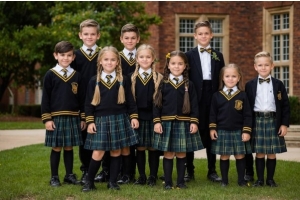
A kilt alone makes a good start. However, the right extras turn it into a full outfit. Parents often ask which pieces matter most for a kid's kilts. The answer depends on the event, the child’s age, and comfort. This guide walks through each accessory, explains its purpose, and shows how to pick pieces that fit well. Let’s dive in and get your little one ready.
Why Do Extras Matter? Let’s Break It Down
Accessories add polish. They also add function. A kilt sits at the waist, so it needs a belt. Socks keep little legs warm. A pin holds the apron flat. Together, these pieces make the outfit look finished. Besides, children enjoy the small details. A tiny sporran or a shiny buckle often makes them stand taller. As a result, they feel part of the occasion.
Which Core Accessories Does Every Child Need?
Kilt Hose and Flashes: Keep Those Legs Snug
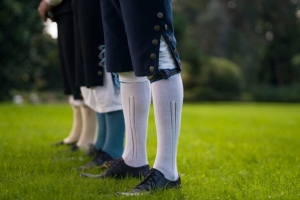
Kilt hose are knee-length socks. They keep the outfit balanced and the legs comfortable. Flashes are small garters worn just below the knee. They hold the hose up, so your child does not need to keep pulling them. For best results, choose wool blends or soft cotton. Wool keeps warmth in, while cotton breathes better in summer.
Belt and Buckle: Hold Things Together
A leather belt sits at the waist and adds structure. Look for an adjustable style because children grow fast. Additionally, a smooth buckle prevents scratches and snags. Plain black or brown leather works with almost every tartan.
Sporran: A Pocket With Personality
A sporran is a pouch worn at the front. Traditionally, it replaces pockets. For children, a small leather or fabric version works best. It should hang freely and never feel heavy. Moreover, a light sporran lets kids run, dance, and play without fuss. Many parents pair simple kid’s kilts with a plain sporran for everyday events.
Kilt Pin: Small but Mighty
A kilt pin fastens the front apron. It also adds a little weight, which stops the fabric from flapping. Choose a blunt, child-safe design. Parents should check it before each wear.
How Can You Dress Up the Look for Special Days?
Formal events call for extra pieces. Here is a quick list to guide you.
- Ghillie brogues: lace-up shoes that suit dressy events.
- Waistcoat or jacket: adds a smart layer for cooler weather.
- Bow tie: a neat finish for weddings and parties.
- Balmoral or Glengarry cap: ideal for photos.
- Decorative sgian-dubh: choose one with no blade.
Casual vs Formal: What’s the Difference?
This table shows how each accessory fits different occasions.
|
Accessory |
Casual |
Formal |
Comfort Tip |
|
Hose and flashes |
Yes |
Yes |
Choose soft wool blends |
|
Belt |
Yes |
Yes |
Pick an adjustable fit |
|
Sporran |
Optional |
Yes |
Keep it light |
|
Kilt pin |
Yes |
Yes |
Use a blunt design |
|
Brogues |
Optional |
Yes |
Break them in first |
|
Jacket |
No |
Yes |
Allow arm movement |
How Do You Put It All Together? Step by Step
- Start with a fitted, comfortable shirt.
- Place the kilt at the natural waist.
- Fasten the straps, then buckle the belt.
- Pin the apron so it lies flat.
- Pull on the hose and add flashes.
- Attach the sporran and slip on the shoes.
Finally, let your child walk and sit. If anything pinches, adjust it right away.
What Should You Check Before You Buy?
A few checks save time and money. Keep these points in mind.
- Fit: leave room for growth, but avoid a loose waist.
- Fabric: pick soft materials that do not itch.
- Colour: match accessories to the tartan, not just the shirt.
- Weight: keep sporrans and jackets light.
When shopping for kilts for kids, safety comes first. The U.S. Consumer Product Safety Commission advises checking children’s clothing for small parts that could come loose. Meanwhile, the Scottish Register of Tartans, a government database, helps you confirm a tartan’s background.
Ready to Kit Out Your Little Highlander?
Choosing the right accessories makes kilts for kids look sharp and feel great. We would love to help you build the perfect set. Visit Atlanta Kilts to explore child-friendly kilts, hose, belts, sporrans, and more. Share your child’s measurements and the event date, and we will suggest a comfortable combination. Together, we can make the day memorable for your little one. Reach out today and let’s get started.
Frequently Asked Questions
1. What age can a child start wearing a kilt?
Children can wear a kilt at almost any age. Many parents start with toddlers for weddings or cultural events. Choose an adjustable style with soft fabric. Comfort matters more than age, so let your child try it on and move around first.
2. Does a child need a sporran with a kilt?
A sporran is not required, but it completes the look. It also serves as a small pocket for tissues or a snack. Pick a light version that hangs comfortably. For casual events, you can skip it. Formal events usually expect one.
3. What shoes go best with a child’s kilt?
Ghillie brogues suit formal events, while clean black or brown leather shoes work for casual days. Pair them with kilt hose for a neat finish. Make sure the shoes fit well and support running, since children rarely stand still at parties.
4. How long should a child’s kilt be?
A kilt should reach the middle of the knee. Measure from the natural waist to that point while your child stands straight. Choose a style with adjustable straps, because children grow quickly and the waist size may change within a year.
5. Can kids wear kilts every day?
Yes, they can. Lightweight wool or cotton blends feel comfortable for school events, family outings, and parties. Rotate accessories to keep the outfit fresh. Wash according to the care label, and spot clean when possible to protect the pleats and colour.