Monthly Archives: November 2026

  1. What Accessories Should You Add to Complete Kid’s Kilts?

    What Accessories Should You Add to Complete Kid’s Kilts?

    A kilt alone makes a good start. However, the right extras turn it into a full outfit. Parents often ask which pieces matter most for a kid's kilts. The answer depends on the event, the child’s age, and comfort. This guide walks through each accessory, explains its purpose, and shows how to pick pieces that fit well. Let’s dive in and get your little one ready.

    Why Do Extras Matter? Let’s Break It Down

    Accessories add polish. They also add function. A kilt sits at the waist, so it needs a belt. Socks keep little legs warm. A pin holds the apron flat. Together, these pieces make the outfit look finished. Besides, children enjoy the small details. A tiny sporran or a shiny buckle often makes them stand taller. As a result, they feel part of the occasion.

    Which Core Accessories Does Every Child Need?

    Kilt Hose and Flashes: Keep Those Legs Snug

    Kilt hose are knee-length socks. They keep the outfit balanced and the legs comfortable. Flashes are small garters worn just below the knee. They hold
    Read more »
  2. How Do You Layer a Women’s Kilt Outfit for Autumn and Winter?

    women’s kilt outfit

    Cold weather should not shut down your style. A well-planned women’s kilt outfit can handle crisp mornings and chilly nights with ease. The trick is smart layering. Each piece needs a job to do. Some trap heat, while others block wind. In this guide, we explain how to build a warm, polished look step by step. Read on to learn more.

    Why Does Layering Matter in Cold Weather?

    Layering works because trapped air keeps you warm. Several thin layers do better than one heavy coat. You can also add or remove pieces as the day changes. That flexibility matters in autumn, when mornings are cold and afternoons turn mild. The Woolmark Company notes that wool fibres naturally regulate warmth and manage moisture, which makes wool a smart pick for every layer.

    How Do You Build the Base Layer? Start From the Ground Up

    Your base layer sits against the skin. It should feel soft and wick away sweat. Avoid stiff or scratchy fabrics.

    • Merino wool long-sleeve tops
    • Thermal camisoles for light warmth
    • Fine-knit polo
    Read more »
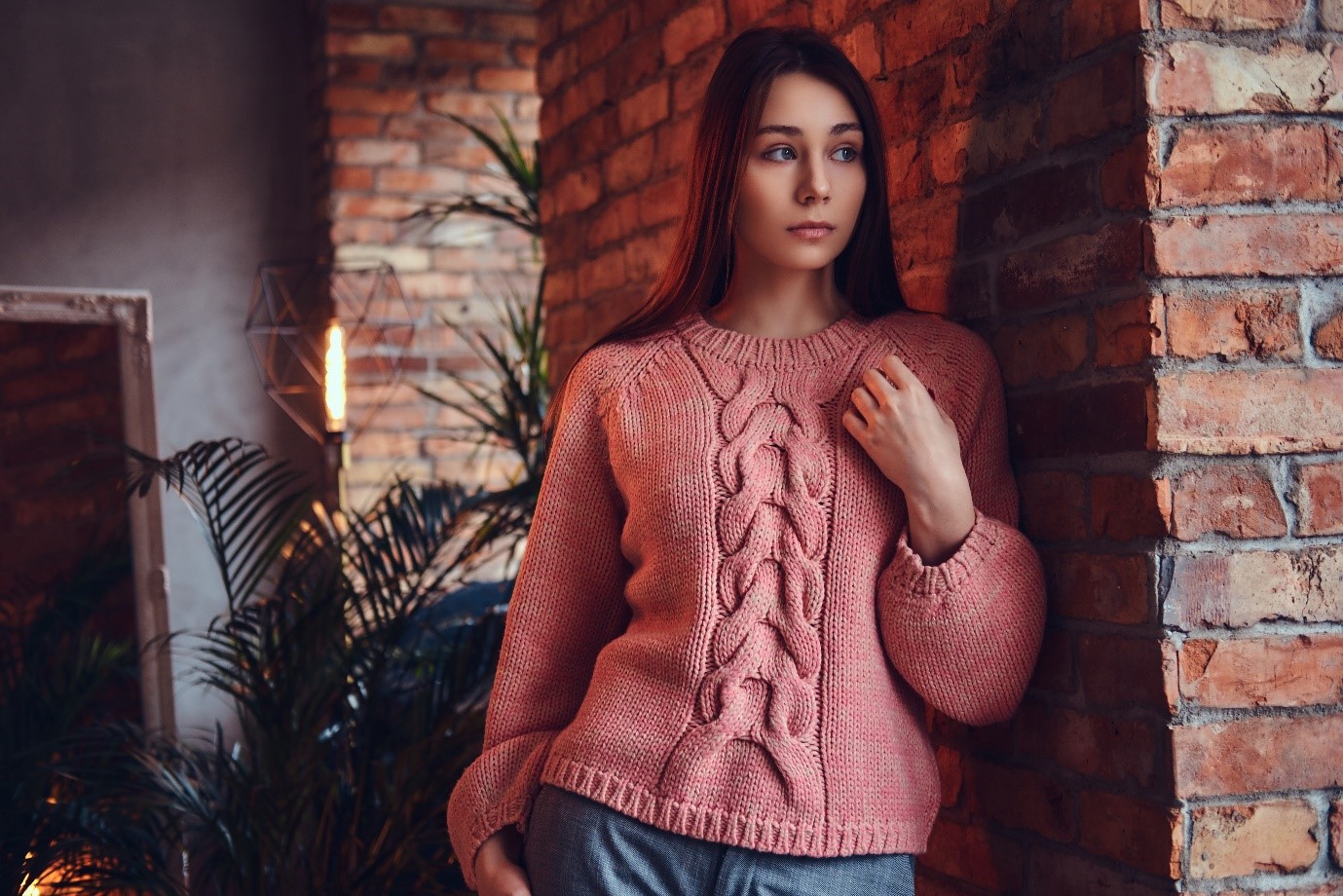
  3. What Are the Benefits When You Buy Ladies Knitwear Crafted in Scotland?

    buy ladies knitwear

    Scottish knitwear has a long, proud history. Shetland, the Borders, and Hawick are known for fine wool garments. So, why do shoppers keep returning to them? When you buy ladies knitwear made in Scotland, you get more than a sweater. You get skill, warmth, and lasting value. Here is what makes it worth it. Let’s look at the real benefits, step by step.

    Why Is Scottish Wool Worth Its Weight in Gold?

    Scotland’s climate shapes its sheep. Cool, damp weather grows dense, soft fleece. As a result, the yarn feels warm without feeling heavy. Additionally, Scottish wool has a natural springiness. This helps garments keep their loft. According to The Woolmark Company, wool is a natural, renewable fibre that breathes well. Therefore, it keeps you comfortable in changing weather.

    How Does Skilled Craftsmanship Make a Difference?

    Scottish makers have refined their methods over generations. Many garments still get finished by hand. Moreover, mills check stitching, tension, and shape closely. This care

    Read more »
  4. What Makes Knitwear for Men a Wardrobe Essential in Every Season?

    knitwear for men

    Some clothes come and go. Others stay in your closet for decades. Knitwear for men belongs in the second group. It keeps you warm in winter, smart at work, and relaxed on weekends. But why does it earn a spot in every season? This guide covers fabrics, styling, and care tips for year-round wear. 

    Why Does Knitwear Get a Free Pass in Every Season?

    Knitted fabric traps tiny pockets of air. That air acts as insulation. As a result, a sweater holds body heat when the weather turns cold. However, the same structure also lets heat escape when it warms up. Therefore, a lightweight knit works in spring and early autumn too.

    Wool plays a big role here. According to The Woolmark Company, wool fibre can absorb moisture vapour and release it back into the air. Consequently, it feels dry and comfortable instead of clammy. Moreover, natural fibres resist odour better than many synthetics. That means you can wear a jumper more than once between washes.

    Which Types of Knitwear Should Every Man Own?

    Not

    Read more »