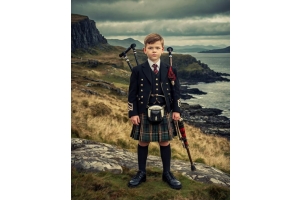
Wearing traditional Highland wear is not just about putting on a kilt and calling it a day. It carries history, pride, and a deep cultural meaning. Many people enjoy this attire at weddings, festivals, and formal gatherings. Still, not everyone knows the proper way to wear it. Small mistakes can stand out fast. This guide explains the essential etiquette in a simple and clear way, so anyone can get it right without second-guessing.
Why Does Etiquette Really Matters?
Highland wear is more than fashion. It tells a story. Each piece has a purpose and a place. When worn correctly, it shows respect for Scottish culture. Ignoring etiquette can make the outfit look off. It may even come across as careless. On the flip side, getting it right shows effort and understanding. It also boosts confidence. And honestly, confidence is half the look.
Kilt Fit: Don’t Wing It
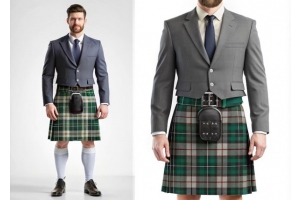
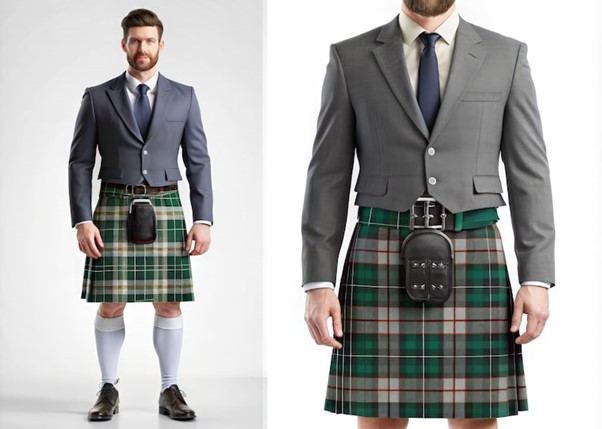
The kilt is the star of the show. If it does not fit right, everything else falls apart. A proper kilt sits at the natural waist. Not low like jeans. It should fall right to the middle of the knee. That’s the sweet spot. If it’s too long, it looks sloppy. Too short, and it feels like a costume. Neither is a good look. The pleats should sit neatly at the back. The front apron should lie flat. When it fits well, you’ll notice right away. It just feels right.
Sporran: Front and Center
The sporran is not just a pouch. It’s a key part of the outfit. It also helps balance the look since kilts do not have pockets. Wear it at the front. Keep it centered. It should sit a few inches below the belt. If it hangs too low, it looks awkward. If it shifts to the side, it throws off the symmetry. Style matters too. Dress sporrans suit formal events. Simpler ones work better for casual settings. Matching the occasion is the name of the game.
Socks and Shoes: The Small Stuff Counts
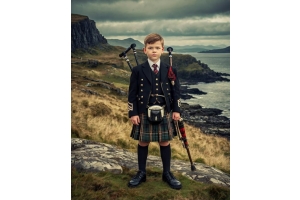
People often overlook this part. Big mistake. Kilt hose should sit just below the knee. Not too high, not too loose. They should look clean and structured. Flashes should peek out slightly. Just enough to be seen, not too much to steal attention. Ghillie brogues are the go-to shoes. Lace them neatly. Wrap them properly around the ankle. It might take a minute to get used to, but it’s worth it. Throwing on regular shoes with Highland wear just does not cut it. It breaks the whole vibe.
Jackets: Dress for the Moment
Not all jackets are created equal. Picking the right one depends on the occasion. For formal evening events, the Prince Charlie jacket is the gold standard. It looks sharp and classic. For semi-formal events, the Argyll jacket works well. It’s versatile and easier to style. For daytime or relaxed settings, tweed jackets are the way to go. They feel laid-back but still polished. Wearing the wrong jacket can feel out of place. It’s like wearing sneakers to a black-tie event. It just doesn’t match.
Common types
|
Jacket Type |
Best For |
Formal Level |
|
Prince Charlie |
Evening events |
High |
|
Argyll Jacket |
Semi-formal settings |
Medium |
|
Tweed Jacket |
Daywear and casual |
Low |
Tartans: Pick Smart
Tartans are not just patterns. They often represent clans or regions. You don’t need a family tartan to wear one. There are plenty of universal options available. Still, it helps to do a little research. Avoid claiming a clan without a real connection. Choosing a neutral tartan is always a safe bet. It keeps things respectful and avoids awkward moments.
Match the Outfit to the Occasion
Not every event calls for full formal wear. Weddings usually require a complete and polished look. That means all the formal pieces. Day events allow for lighter styles. Tweed jackets and simple accessories work well. Festivals are more relaxed. You can loosen things up a bit. When unsure, it’s better to dress slightly more formal than too casual. It shows effort and respect.
Grooming: Don’t Skip It
Even the best outfit can fall flat without proper grooming. Make sure everything is clean and pressed. Wrinkles can ruin the look. Shoes should be polished. Details matter more than you think. Hair should be neat. Nothing fancy, just tidy. A well-groomed appearance ties everything together. It’s the finishing touch that people notice.
Bringing It All Together
Wearing traditional Highland wear the right way takes a bit of effort. But it’s not complicated once you know the basics. Focus on fit. Pay attention to details. Match the outfit to the occasion. Most importantly, wear it with confidence. When everything feels right, it shows.
Step Into Style with Confidence
Getting the details right can turn a simple outfit into something truly special. From the way the kilt sits to how the accessories come together, every choice matters. Those looking to build a complete traditional kilt outfit can explore styles that balance tradition and comfort. Atlanta Kilts offers thoughtfully crafted options for anyone ready to wear Highland attire with confidence and respect.
FAQs
1. Can anyone wear Highland wear?
Yes, anyone can wear it. There are no strict restrictions. Still, it’s important to respect the culture. Choosing neutral tartans and following basic etiquette helps keep things appropriate and thoughtful.
2. Is Highland wear only for formal events?
No, it works for both formal and casual settings. The key is how you style it. Tweed jackets and simple accessories work well for relaxed events, while full outfits suit formal occasions.
3. What is the correct kilt length?
A kilt should fall to the middle of the knee. It should sit at the natural waist, not low like trousers. Getting the length right makes a big difference in how the outfit looks.
4. Do you have to wear a Sgian Dubh?
No, it’s optional. However, it adds a traditional touch to the outfit. If worn, it should be subtle, with only the handle visible above the sock.
5. How do you choose the right jacket?
It depends on the event. Formal evenings call for a Prince Charlie jacket. Semi-formal settings suit an Argyll jacket. Daytime events work best with tweed styles