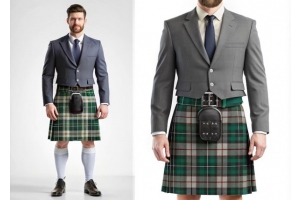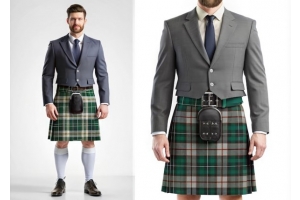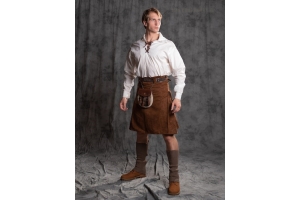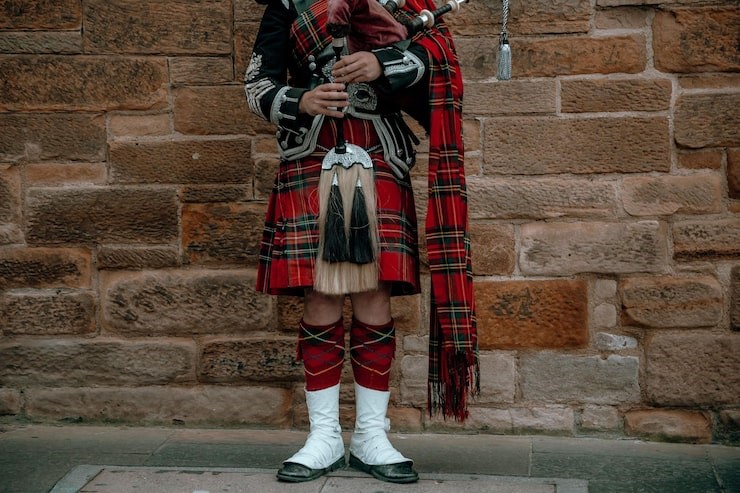
Nothing ruins a great outdoor adventure faster than a painful blister on your heel. Hikers often spend big bucks on fancy boots but completely ignore what goes inside them. Your choice of socks can make or break your journey. Heavy-duty Scottish socks have protected walkers from harsh, wet highlands for ages. These traditional socks offer incredible moisture protection and thick cushioning. They are a fantastic choice for modern trail blazing.
Why Do Typical Hiking Socks Fall Short?
Blisters are caused by three main enemies. These are heat, friction, and moisture. When your feet sweat inside heavy trail boots, the skin softens up fast. This damp environment makes your skin tear easily against the stiff interior of your shoes.
Many standard sports socks rely on cheap synthetic materials or cotton blends. Cotton absorbs sweat like a sponge and holds it directly against your skin. Because of this, your feet stay damp and cold throughout the entire journey. Choosing a specialized, heavy-duty yarn is the easiest way to beat this trail nightmare.
Beat the Heat: The Hidden Magic of Premium Wool
High-quality heritage socks rely heavily on natural sheep wool to handle moisture. Wool naturally absorbs dampness into its inner core. Amazingly, the outer surface of the fiber stays remarkably dry against your skin.
This process keeps your feet comfortable even during intense uphill climbs. Also, wool fibers have natural crimps that trap tiny pockets of air. This unique structure provides excellent insulation. It keeps you warm in freezing conditions and cool during summer heatwaves.
Material Breakdown: Comparing Trail Sock Fabric Types
Selecting the right material determines how well your socks protect your feet on long journeys. This comparison table highlights the performance of different materials when choosing heavy-duty Scottish socks.
|
Fabric Material |
Moisture Management |
Cushioning Level |
Durability Rating |
Best For |
|
Pure Merino Wool |
Exceptional (Wicks away sweat) |
High (Soft and bouncy) |
Medium (Needs careful washing) |
Long multi-day backpacking trips |
|
Traditional Lambswool |
Very High (Keeps feet dry) |
Very High (Thick and dense) |
High (Tough fibers) |
Deep winter and wet mountain trails |
|
Synthetic Nylon Blends |
Low to Medium (Dries quickly) |
Low (Thin structure) |
Very High (Resists tearing) |
Short, dry summer afternoon walks |
|
Standard Cotton |
Poor (Retains moisture) |
Low (Flattens out quickly) |
Medium (Prone to holes) |
Casual indoor wear only |
Save Your Sole: How to Pick Your Trail Footwear
Finding the ultimate pair of trail socks requires looking past basic colors and patterns. You must evaluate how the sock is built. Follow these simple steps to choose the best protective layers before your next big hike.
First, check the wool content. Look closely at the material list on the packaging. Ensure the socks contain at least sixty percent real wool for proper temperature control.
Next, examine the internal loop construction. Turn the sock inside out to check the stitching. Look for dense, thick loops along the entire sole, heel, and toe areas.
Then, verify the seam design. Feel the toe area with your fingers to locate the seam line. High-quality Scottish socks feature flat seams that will not rub against your toes and cause irritation.
Finally, test the elastic grip. Ensure the top band has enough stretch to stay up without cutting off your circulation. A sliding sock bunches up inside your boot and causes immediate blistering.
Upgrade Your Outdoor Gear with Us
Embracing the great outdoors should never come with the penalty of painful, aching feet. At Atlanta Kilts, we are totally dedicated to providing you with premium, authentic gear that stands up to the toughest environments. Our traditional products offer unmatched comfort, warmth, and moisture protection for any rugged journey you undertake. We invite you to check out our online collection today to find the perfect pair of heavy-duty wool kilt socks and experience the ultimate trail comfort.
Frequently Asked Questions
Why does real wool keep your feet drier than synthetic fabrics?
Real wool can absorb up to thirty percent of its own weight in moisture without feeling wet. It breathes naturally, moving sweat away from your skin as vapor before it turns into liquid water.
How often should you wash heavy-duty hiking socks?
Because natural wool resists odors naturally, you do not need to wash them after every single use. Simply air them out between hikes. Wash them after two or three long trail days using a gentle cycle.
Do thicker socks cause your hiking boots to feel too tight?
Thick socks can alter how your boots fit if your shoes are already very tight. It is always wise to try on new hiking boots while wearing your thickest trail woolens to ensure a comfortable fit.
Can you wear traditional highland hose for rugged mountain trekking?
Absolutely, because traditional highland hose are designed for the wet, rocky Scottish wilderness. They feature thick, durable wool structures that provide the same exceptional protection and cushioning as modern technical hiking apparel.