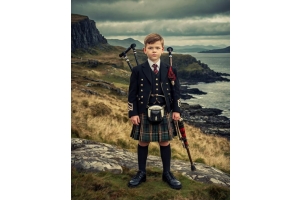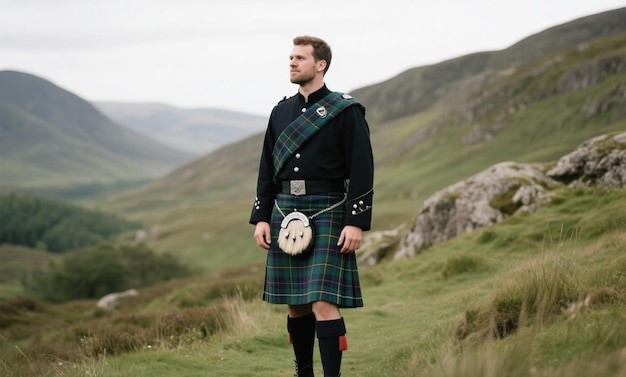
Winter can make wearing kilts tricky. Your legs are exposed, and the cold can sneak in fast. The key to staying warm and stylish is knowing how to layer correctly. Choosing the right shirts to wear with kilts is a huge part of this. With the right layers, you can enjoy a cozy, classic look without feeling frozen. Layering also makes your outfit look fuller and more stylish.
It’s all about balance. Too few layers, and you’ll be shivering. Too many, and you’ll look bulky. When done right, layering keeps you warm and lets your kilt move freely.
Why Layering Works So Well
Kilts are beautiful and traditional, but they don’t cover your legs like pants do. That’s why winter layering is important. Layers trap heat and protect your body from wind and snow.
Layering also adds style. Mixing textures, patterns, and colors can make your outfit pop. For example, a soft wool shirt under a plaid flannel gives a rich, cozy look. You get warmth and style at the same time.
Start with a Base Layer
The first layer is the foundation. This goes right against your skin.
Pick something soft and snug. It should keep you warm without feeling heavy. Good base layers include:
- Thermal shirts: Lightweight, warm, and easy to move in.
- Long-sleeve cotton shirts: Soft and breathable. Perfect for layering.
- Moisture-wicking shirts: Great if you’re moving a lot or live somewhere damp.
A base layer should not be bulky. It’s the first step in building warmth without making your kilt outfit look stiff.
Add a Mid-Layer for Extra Warmth
Next comes the mid-layer. This is the layer that keeps heat trapped close to your body. It can also add style to your outfit.
Some great options are:
- Flannel shirts: Cozy, casual, and perfect for plaid lovers.
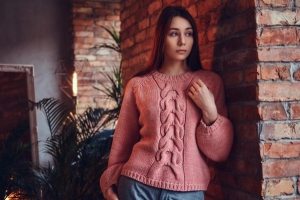
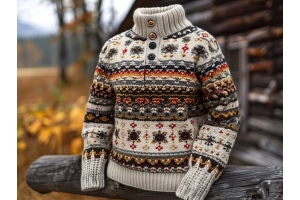
- Lightweight wool sweaters: Soft, warm, and more formal-looking.
- Button-up shirts: Adds structure when worn over a thermal base.
Mix colors and patterns carefully. Plaid flannels go great with most tartans. Solid-colored sweaters give a simple, clean look.
Tip: Leave the mid-layer slightly untucked. It gives a relaxed, natural look and works well with the kilt’s shape.
Don’t Forget the Outer Layer
On really cold days, the outer layer is a must. This protects you from wind, snow, and rain.
Good outer layer choices are:
- Wool jackets: Classic, warm, and stylish.
- Peacoats: Structured, smart, and timeless.
- Down vests or jackets: Great for casual outings and extra warmth.
Make sure your outer layer is a bit longer than your mid-layer. This keeps the cold out and keeps your outfit looking neat.
Accessorize for Extra Warmth
Accessories aren’t just for style. They also keep you warm.
- Scarves: Wool scarves add color and trap heat around your neck.
- Gloves: Leather or knit gloves protect your hands and look good.
- Hats: Flat caps, beanies, or wool hats keep your head warm.
These little additions make your winter kilt outfit both functional and fashionable.
Pick the Right Materials
The materials you choose are important. Some fabrics work better for warmth than others. Here’s a quick comparison:
|
Cotton |
Base layer |
Soft, breathable |
Less warm when wet |
|
Wool |
Mid-layer/Outer |
Warm, durable |
Can be itchy if not soft |
|
Flannel |
Mid-layer |
Cozy, stylish |
Bulky if too thick |
|
Synthetic blends |
Base/mid-layer |
Light, moisture-wicking |
Feels less natural |
Choosing the right materials prevents bulk and keeps you comfortable all day.
Layering Step by Step
Here’s a simple way to layer:
- Start with a snug base layer like a thermal or long-sleeve cotton shirt.
- Add a mid-layer such as a flannel or lightweight wool sweater.
- Put on an outer jacket, like a wool coat or peacoat.
- Add accessories for warmth and style: scarf, gloves, hat.
- Make sure each layer fits comfortably under the next.
Following these steps keeps you warm without making your outfit look clunky.
Mistakes to Avoid
Even experienced kilt wearers make mistakes. Here’s what to watch out for:
- Over-layering: Too many thick layers make you stiff.
- Poor fit: Loose or tight shirts ruin the kilt’s natural shape.
- Clashing patterns: Stick to complementary colors and tartans.
- Ignoring the base layer: A thin, poor-quality base leaves you cold.
Avoiding these mistakes keeps your outfit stylish and practical.
Mix Casual and Formal Pieces
Layering doesn’t have to mean only casual shirts. You can mix casual and formal pieces.
- Pair a flannel shirt with tailored wool trousers for semi-formal events.
- Wear a crisp white button-up under a sweater for a polished look.
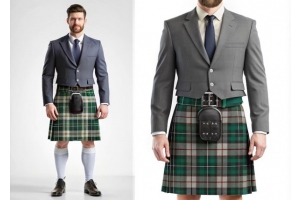
- Add a casual kilt jacket to make the outfit ready for parties or gatherings.
The key is balance. Keep your layers proportionate and colors matched. This gives you warmth, style, and comfort.
Small Tips for Comfort
- Choose lighter layers closer to your skin.
- Use thicker fabrics for outer layers only.
- Play with colors but stay coordinated.
- Don’t forget your socks and shoes—they matter for warmth.
- Move naturally; avoid layers that restrict walking.
These tips make winter kilt-wearing fun and easy.
Conclusion
Following these steps ensures you stay warm, look great, and feel comfortable all day. Pairing these layers with a casual kilt jacket completes your winter look perfectly. At Atlanta Kilts, we love helping kilt wearers feel confident and stylish no matter the season.
FAQs
Q1: Can I wear a t-shirt under my kilt in winter?
A1: Yes, but layer a thermal or long-sleeve shirt over it for warmth.
Q2: Are flannel shirts too casual for events?
A2: Flannels are great for casual outings. Wool or button-ups suit formal events.
Q3: How do I avoid bulky layers?
A3: Pick thin, insulating pieces and avoid stacking too many thick fabrics.
Q4: Is wool better than cotton in winter?
A4: Wool keeps you warmer. Cotton is soft but less insulating.
Q5: Can I mix patterns when layering shirts with kilts?
A5: Yes, as long as the colors and tartans complement each other.